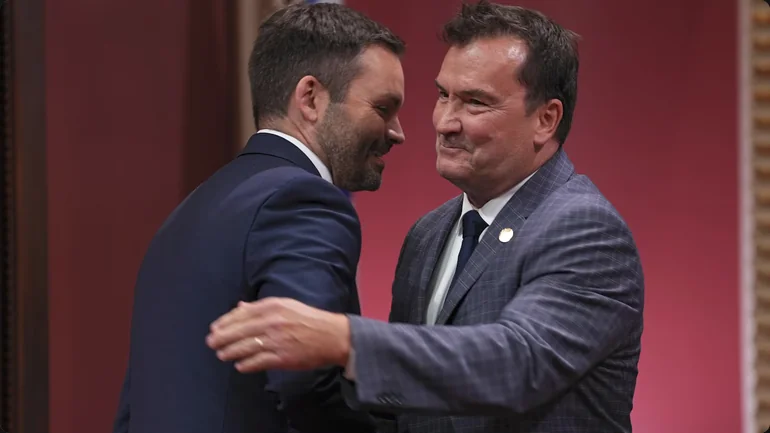
Québec dismantles its Ministry of Cybersecurity and Digital Affairs
Dismantling the MCN without a bill, in the middle of a wave of cyberattacks, and handing the State’s security to the Treasury Board: a risk Québec can’t afford.
FeaturedNews & opinion
The Hackfest blog gets a new name and a bigger ambition: one place for our news, our opinions, our social media posts and the highlights of the podcast.
Dismantling the MCN without a bill, in the middle of a wave of cyberattacks, and handing the State’s security to the Treasury Board: a risk Québec can’t afford.
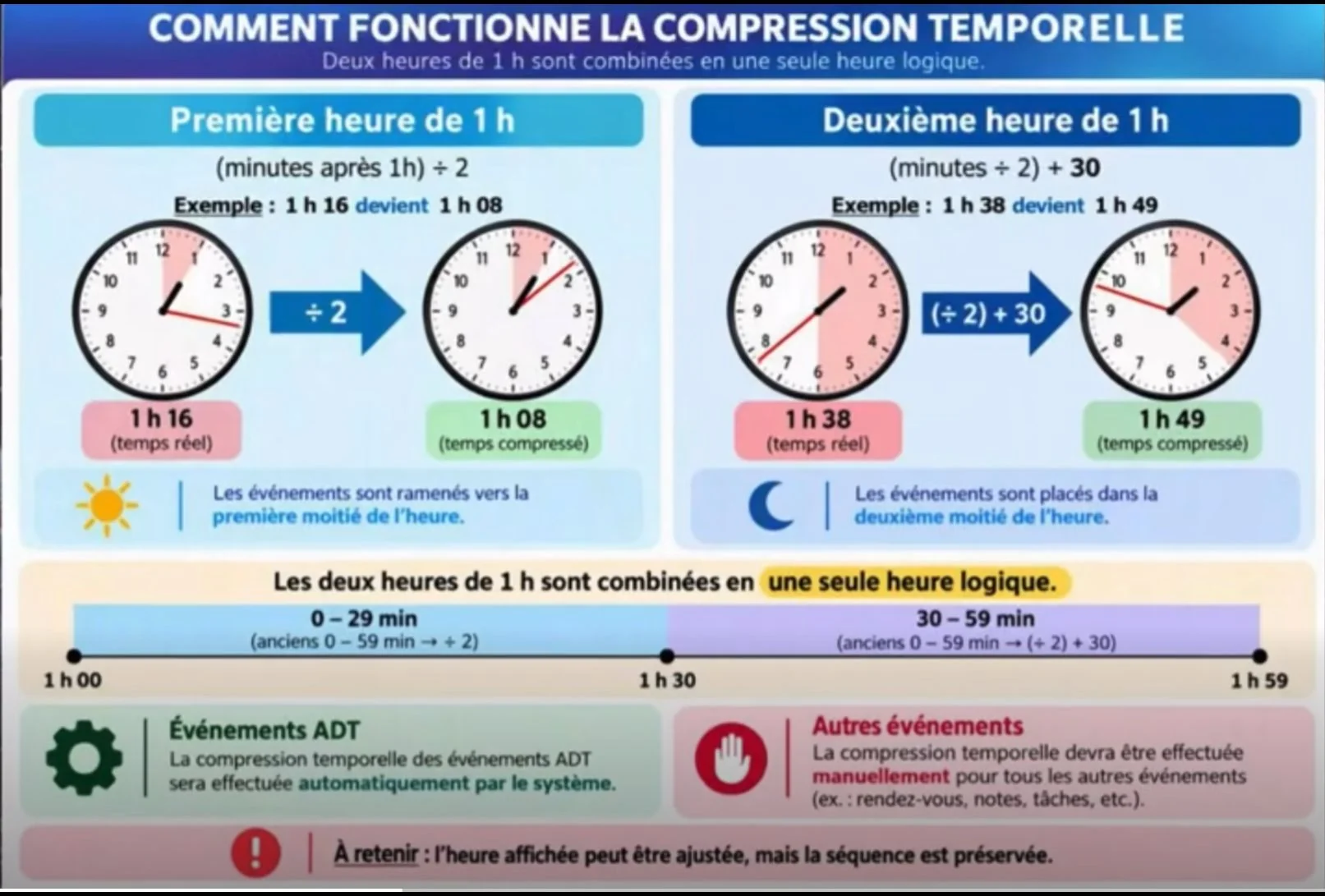
At the time change, two 1 a.m. hours become a single “logical hour”. Coded, approved, signed off and shipped to production: it’s not a bug, it’s a feature.
Since its very beginnings, the logo of the La French Connection podcast has displayed an encrypted message. Many people have dreamed of unravelling the mystery of this cipher. Fair warning to those who don’t want to break the spell: read no further, because this text reveals the secrets and the message behind the logo.
I woke up this morning to a very interesting news article on BleepingComputer: a new vulnerability has been disclosed that affects almost all the major Linux distributions. It allows any logged in user to easily elevate their privileges to that of root. Like, really easily!
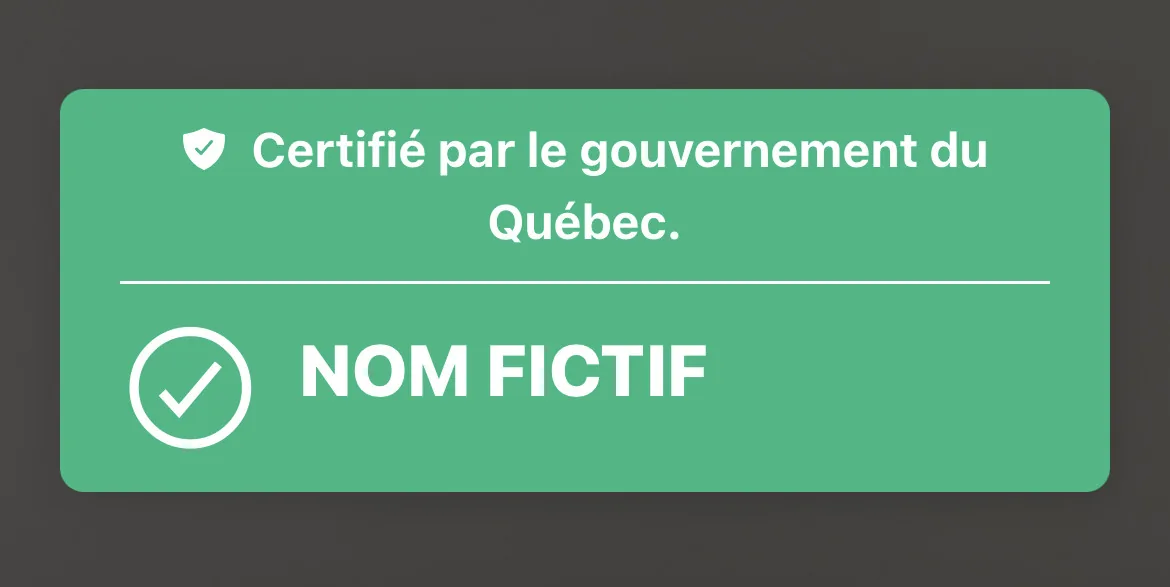
The VaxiCode Verif application recently launched by the Government of Québec was the subject of a vulnerability disclosure allowing fake codes to be validated. Here is our analysis.
Things must have been heating up in the offices of the Ministère de la Santé et des Services sociaux (MSSS) on Friday morning. After hammering home that using the QR code as proof of vaccination was 100% secure, two flaws were reported in the media. First, hackers demonstrated that it was possible to download proofs of vaccination that were not intended for them. Second, another individual demonstrated that it was possible to create fake QR codes from scratch. In less than 24 hours.